Bespoke control
What building a bicycle taught me about agency, limits, and deciding without abstraction.
I work in design and technology, making decisions for a living. Most of them happen at a distance — mediated by documents, meetings, systems, and layers of abstraction. I’m familiar with the kind of agency this produces, and with the alienation that often comes with it.
Taking a framebuilding workshop wasn’t an attempt to escape that condition. It was a way to engage it differently. Steel, heat, and geometry offered a setting where decisions still existed, but without buffers. Where actions had immediate, material consequences, and where abstraction had less room to hide.
This project wasn’t about leaving one world for another. It was about choosing a different material to think with.
Steel ain’t pixels
The first thing I learned is that metal moves. Even when you measure everything correctly. Even when you think you’ve controlled all the variables. What I also learned is that this movement isn’t random.
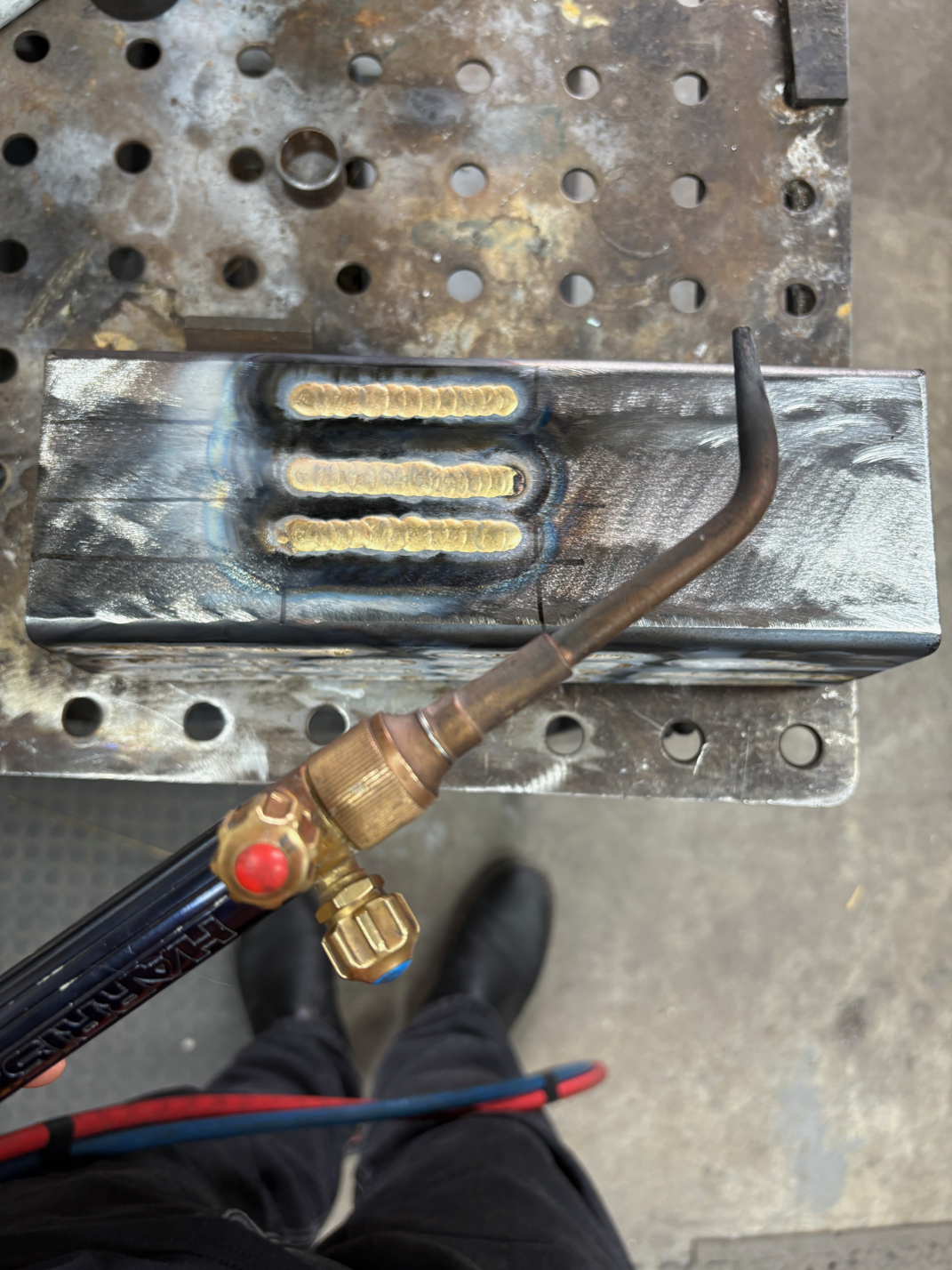
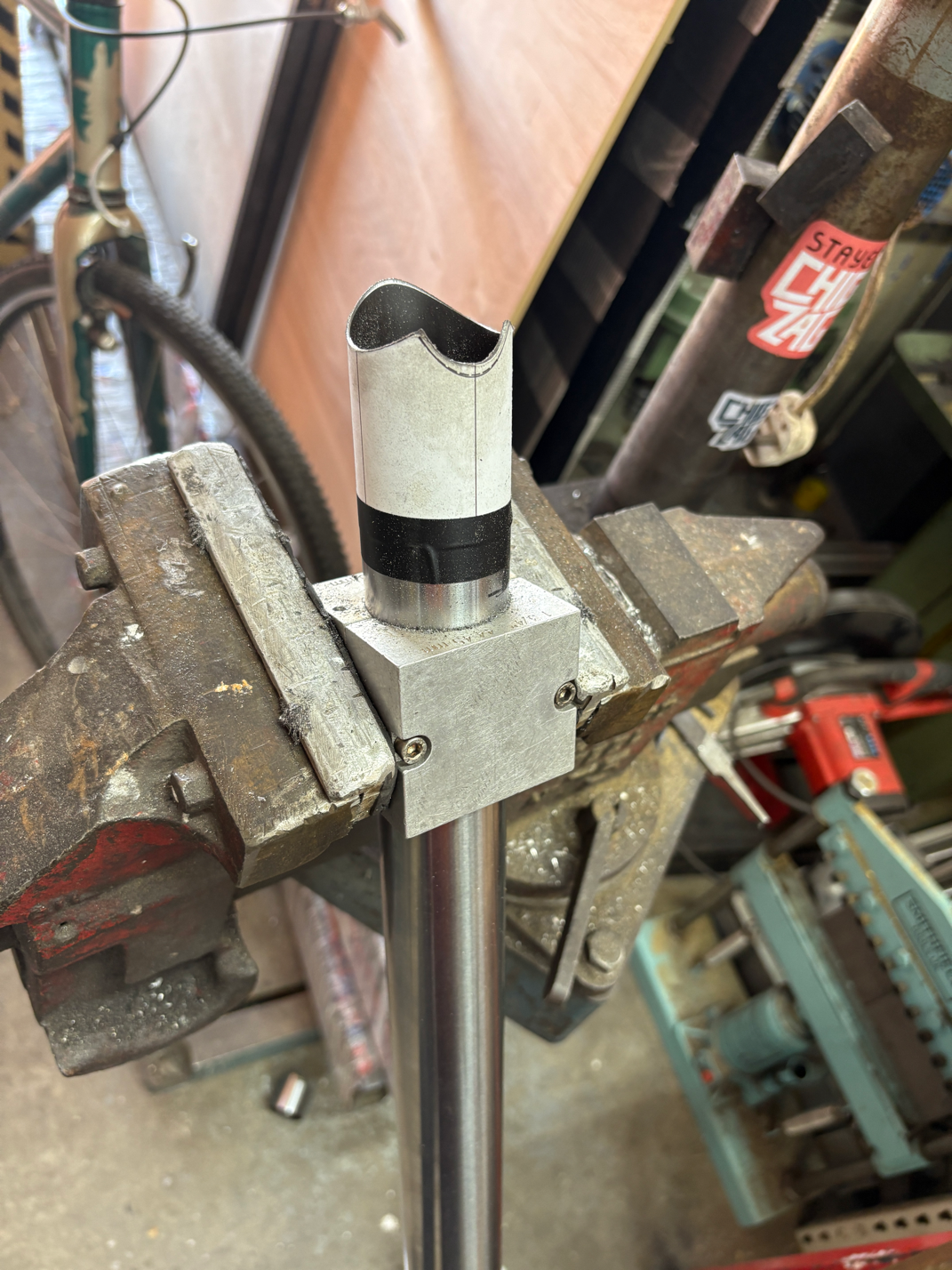
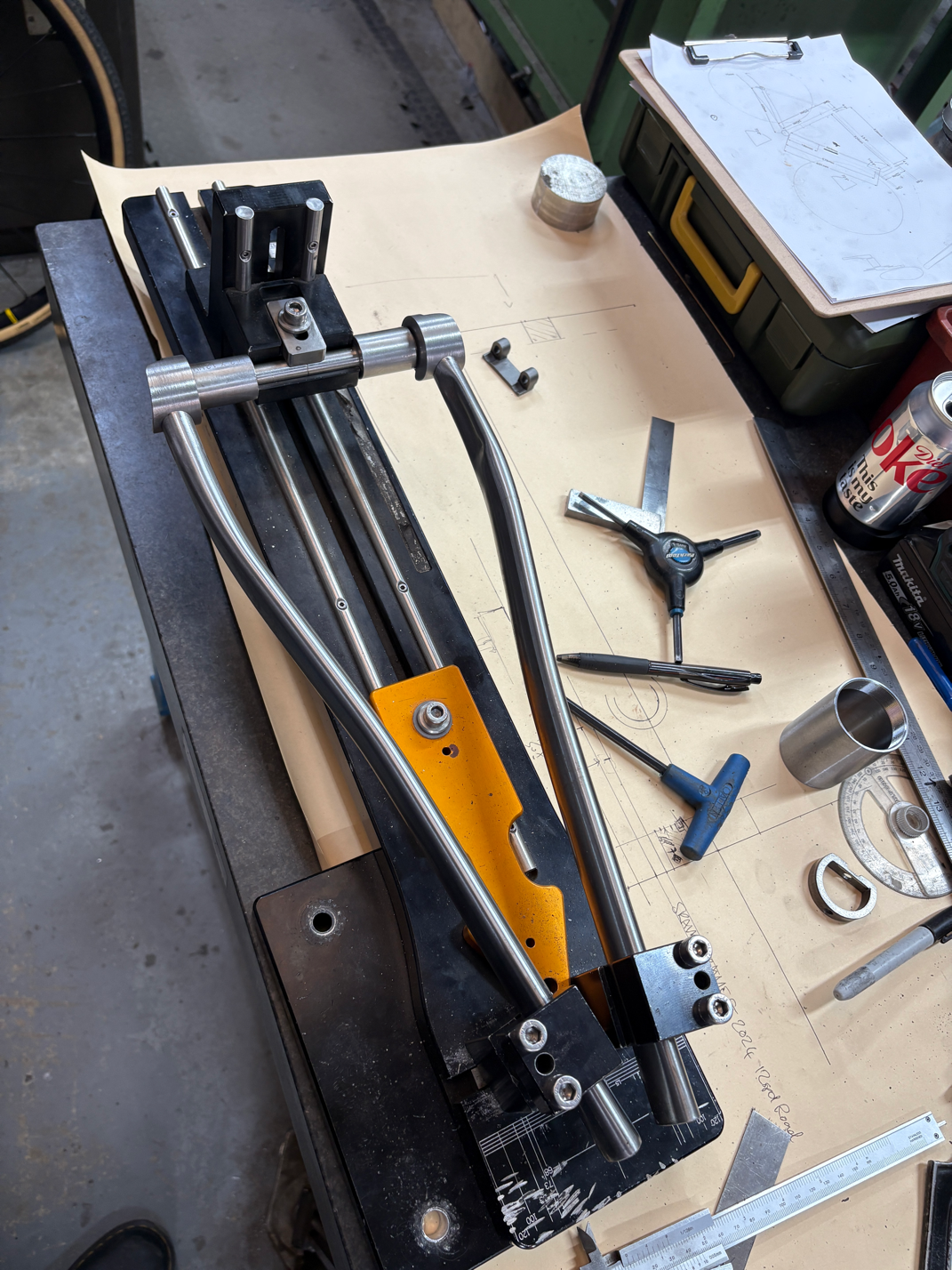
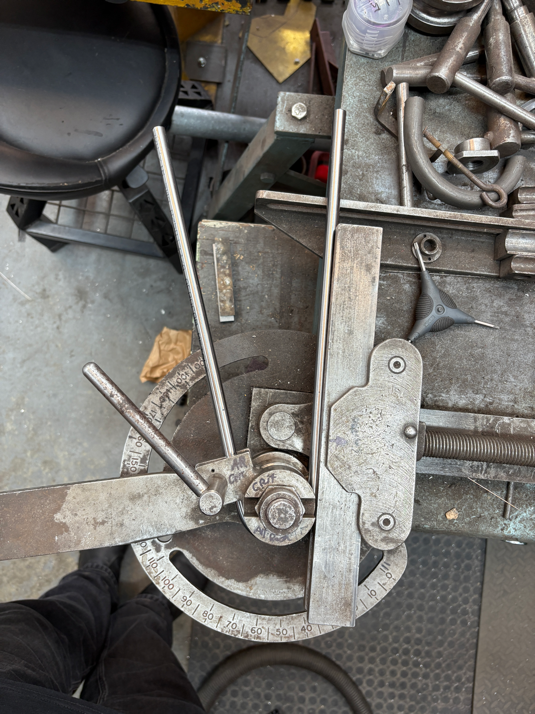
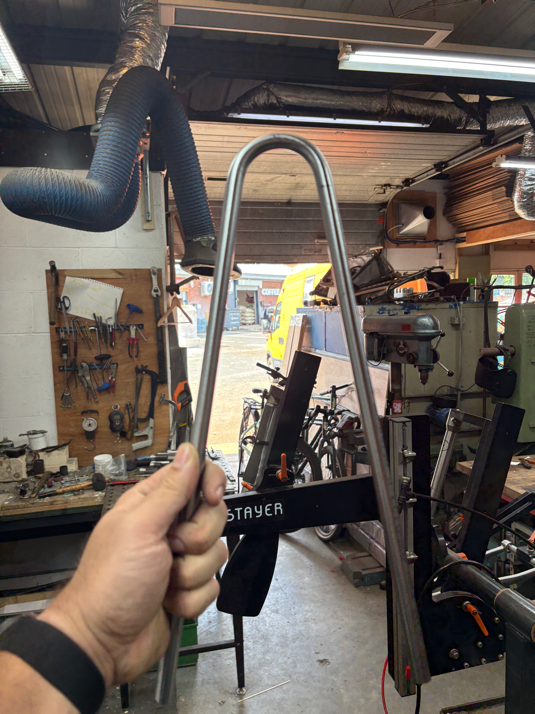
In the workshop, surrounded by steel tubes, jigs, and the heat of the torch, Sam showed me how to control it, where to start a weld, how to manage heat, how to anticipate and compensate for distortion. Steel moves, but it can be guided to move in the direction you want.
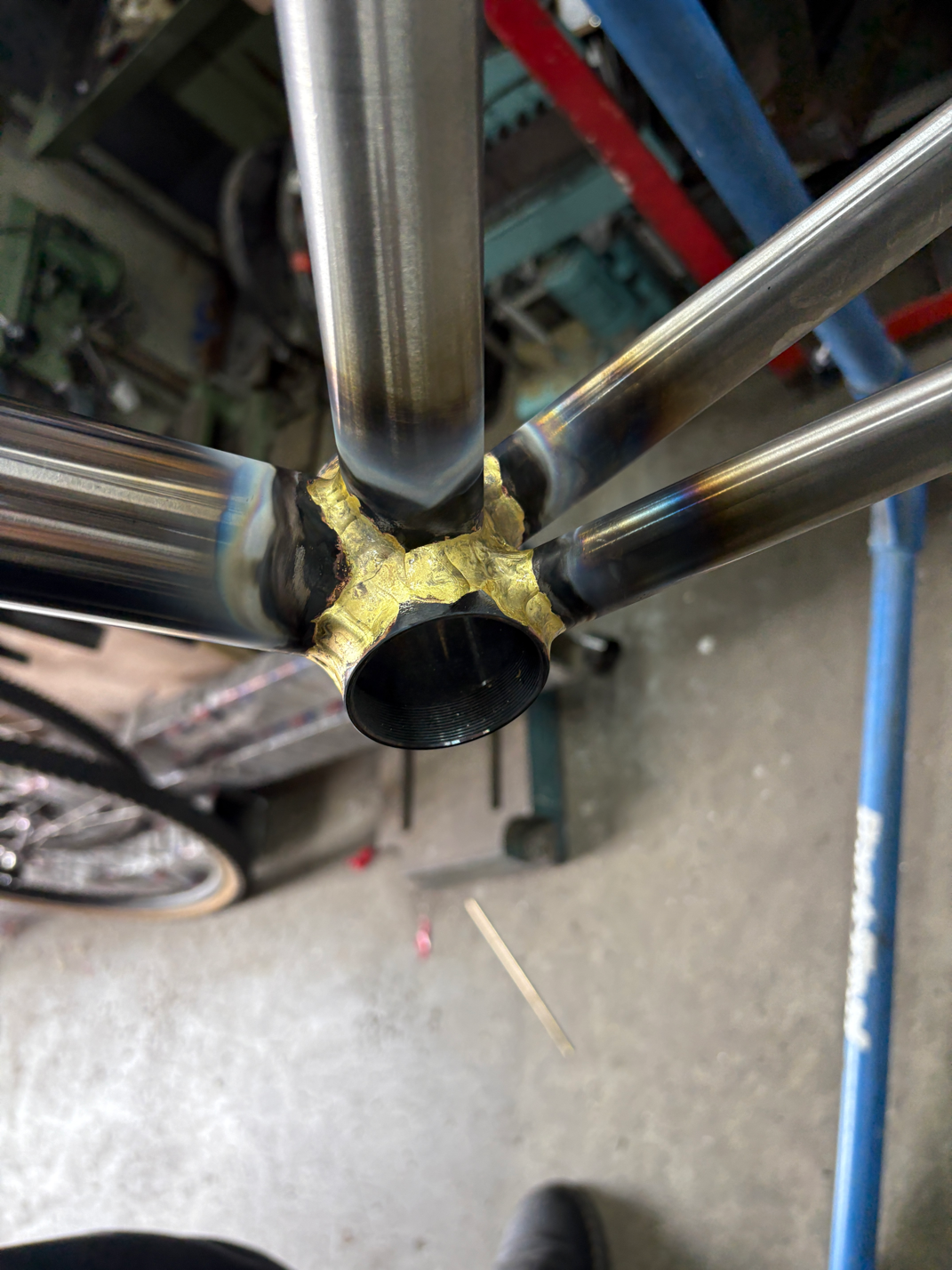
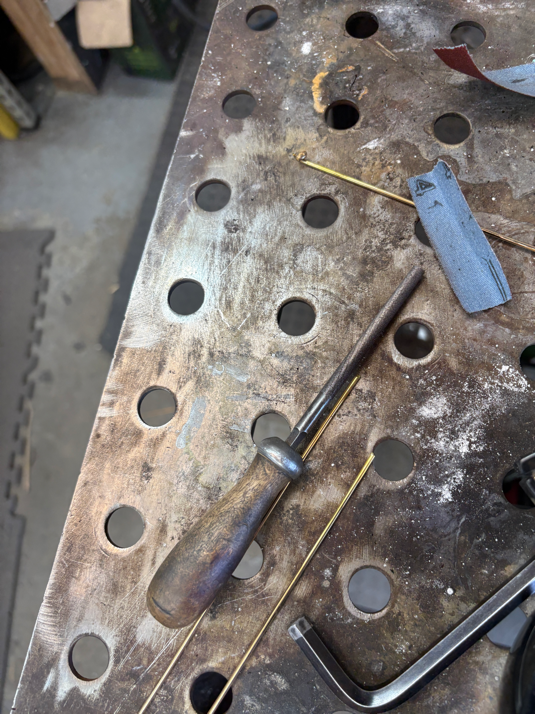
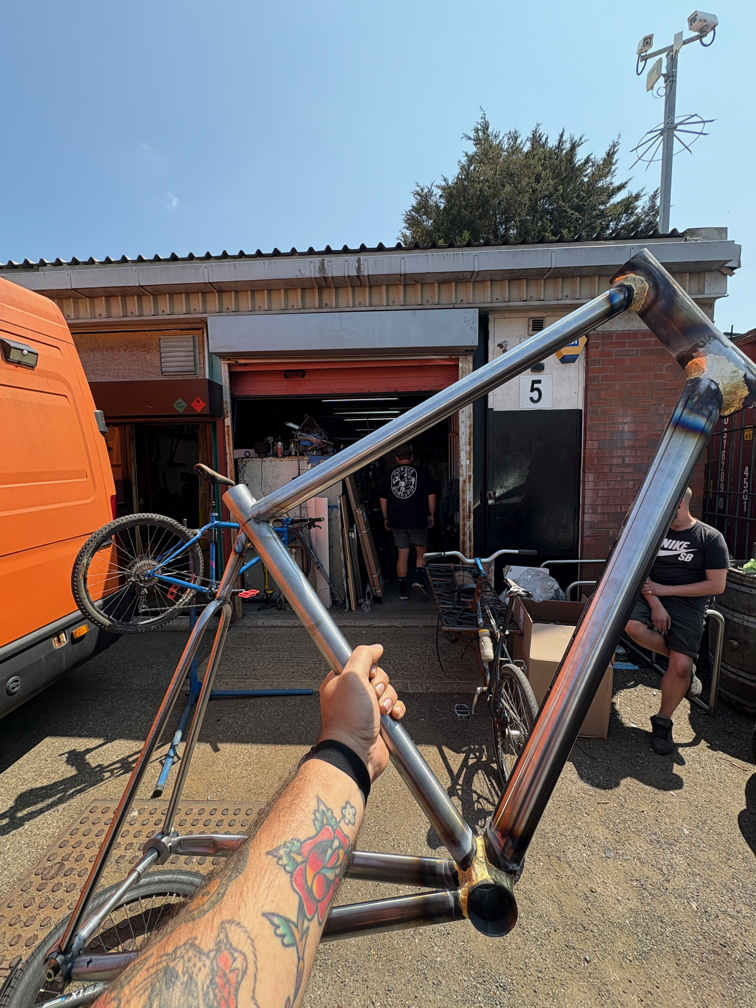
I had never welded a bicycle frame before. Fillet brazing doesn’t tolerate abstraction. The material responds immediately to decisions.
That was exactly why I was there.
Building this custom bike wasn’t about total control. It was about bespoke control. A kind of control that accepts limits, learns from people who know more than you do, and understands that not everything needs, or should, be done alone.
One decision, then another
The process took months.
It began with a bike fit and consultation with Jasien at Gregario Cycling Services, where we translated how I actually ride, not only how I aspire to ride, into concrete constraints around geometry, position, and use. From there, the project moved through the Stayer workshop in June, paint with BECA Bikespray in September, and only came together as a complete bike in December.
Parts were bought gradually. Each choice carried a quiet question with it: does this make sense? Am I getting this wrong?
Mistakes here didn’t mean iterating later or spreading the cost across teams, budgets, and timelines, as often happens in design and technology. They could still be fixed, but the cost landed directly on my own bank account.
Custom frames aren’t cheap. Components aren’t cheap.
Letting go without losing control
Paint deserves its own pause.
I considered painting the frame myself. I had clear references in mind, especially the work of Dario Pegoretti, and a desire to take the idea of doing everything by hand to its logical extreme. But painting well requires space, equipment, and experience I simply didn’t have.
Deciding not to do it myself was also a design decision.
I designed the logos, chose the colours, and thought carefully about how the bike should look. The execution, though, was delegated. I wanted a result I could be proud of, not a compromised version of an idea carried too far.
Authorship is not isolation.
Fear, with agency
The fear wasn’t abstract. It was the fear of the frame coming out wrong. The fear of buying the wrong component. The fear of realising, too late, that a decision couldn’t be undone.
At the same time, there was something curious about it all.
If I made a mistake, I wouldn’t lose my job. There was no manager, committee, or
vaguely defined strategy to absorb the consequences.
The responsibility was mine, but for the first time in a long while, so was the agency.
This project put me in a strange position: a beginner playing a high-stakes game, finally in control of why I was playing it. There wasn’t enough abstraction to protect me from decisions. And that made every choice more honest.
Fear didn’t paralyse. It sharpened.
A bike that allows
The first rides didn’t come with a dramatic revelation.
There was no clear moment of “now I get it.”
What there was instead was something else: predictability.
The bike corners smoothly, almost obviously. It always feels like it wants to return to a straight line. It doesn’t demand constant correction or nervous attention.
This is hard to explain without sounding contradictory. I didn’t know this bike. And yet it felt like I had been riding it for a long time.
Maybe because it was built to measure. Not in the fetishised sense of the term, but in the most literal one: accepting the limits of my body, my use, and the rhythm I wanted to sustain.
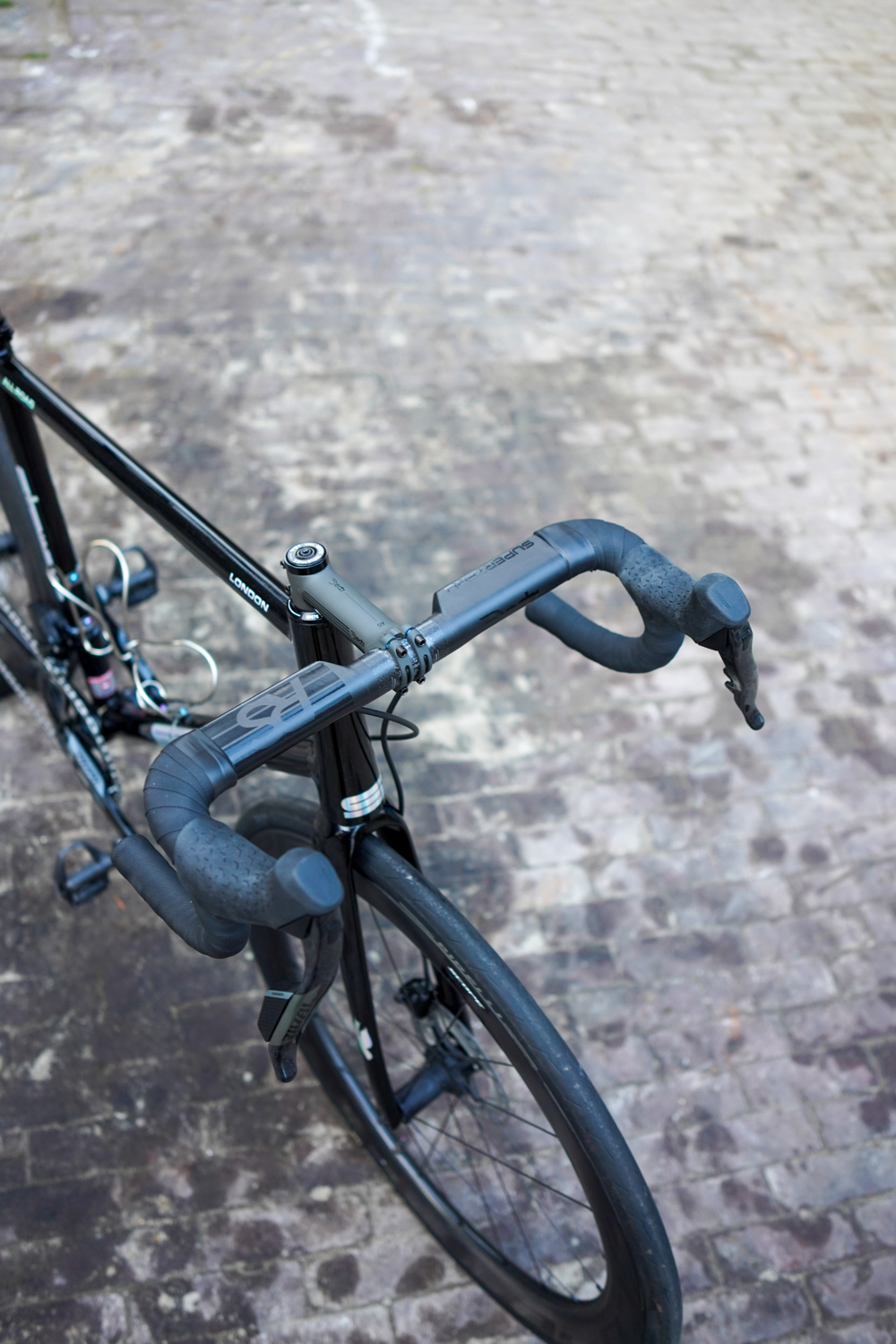
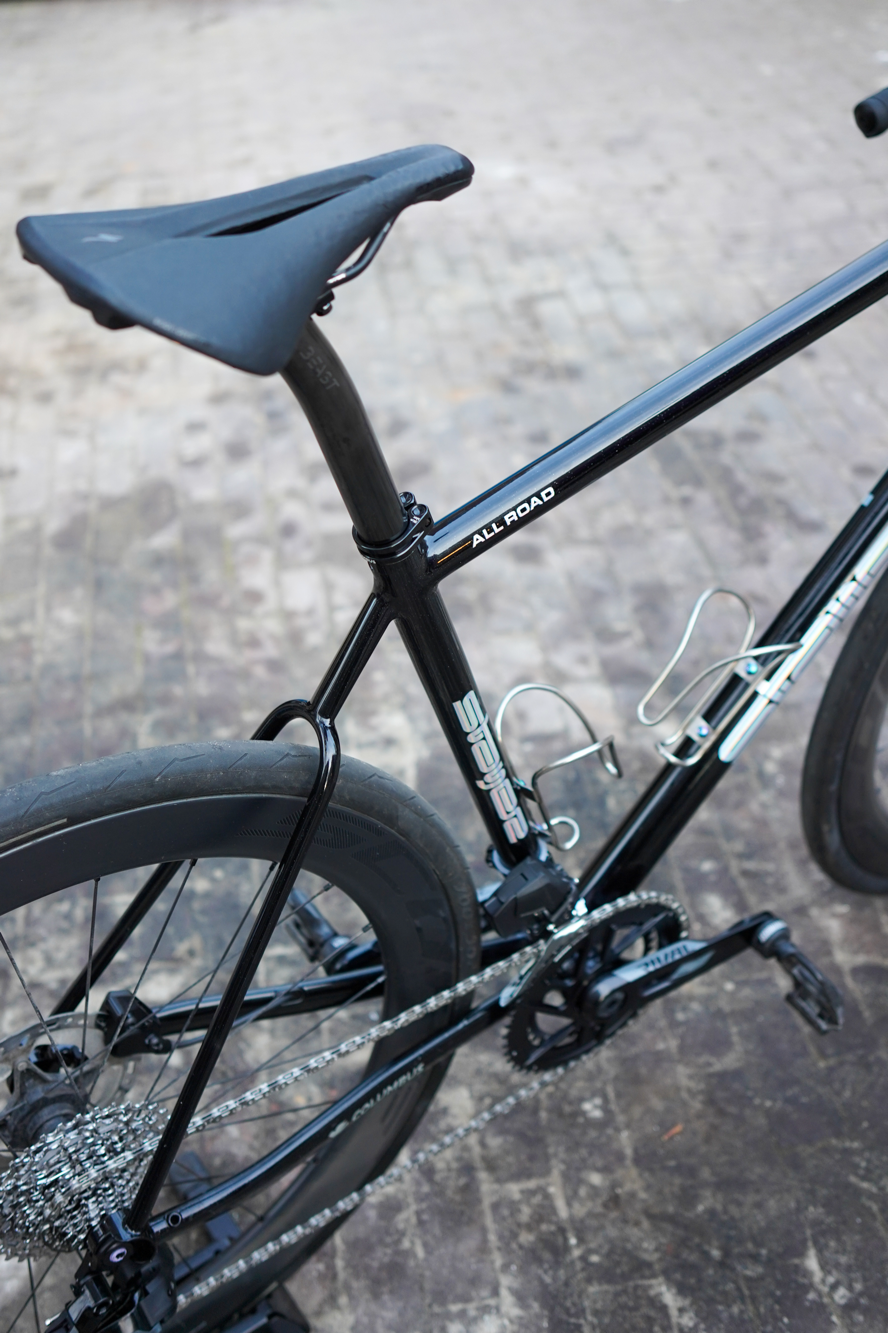
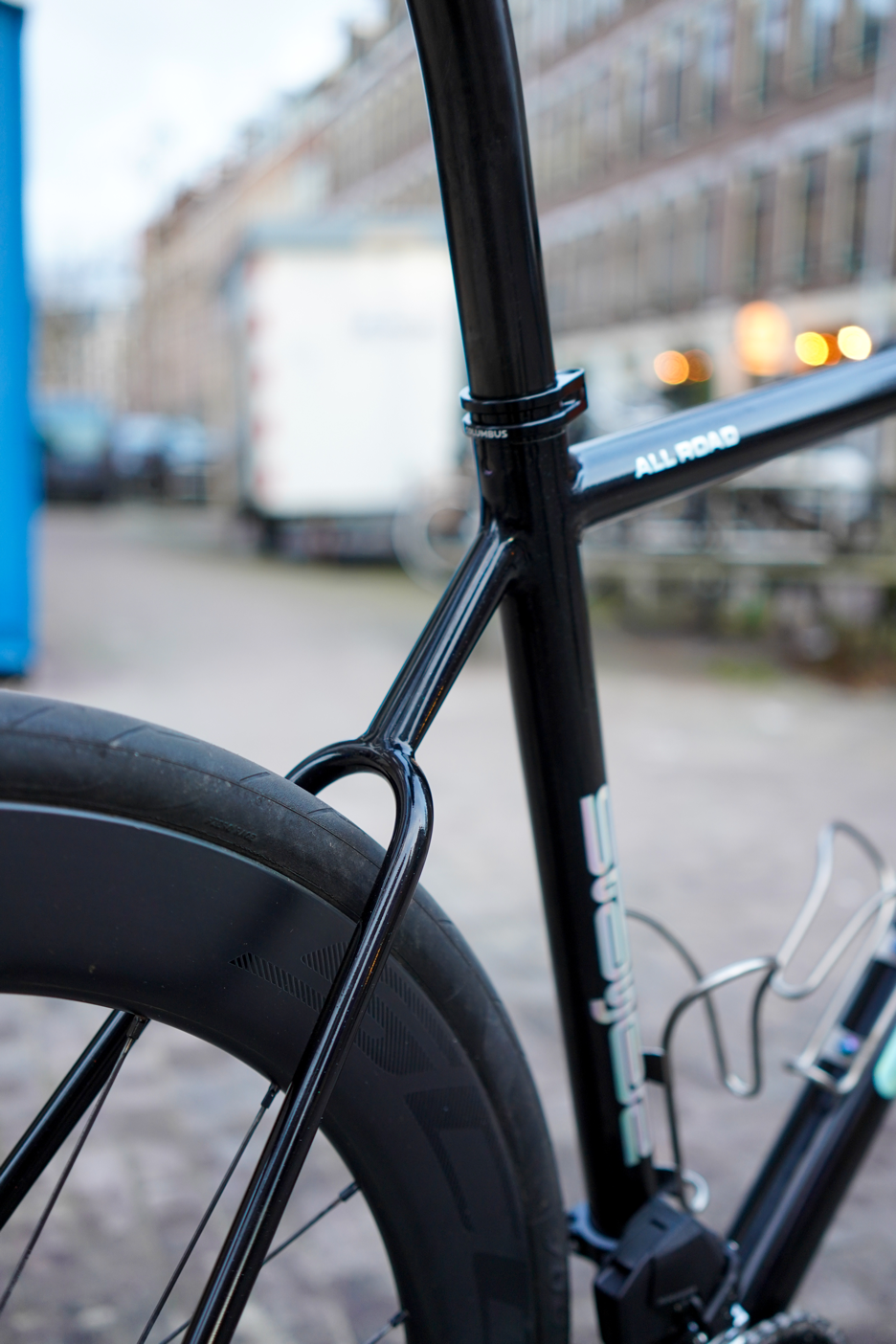
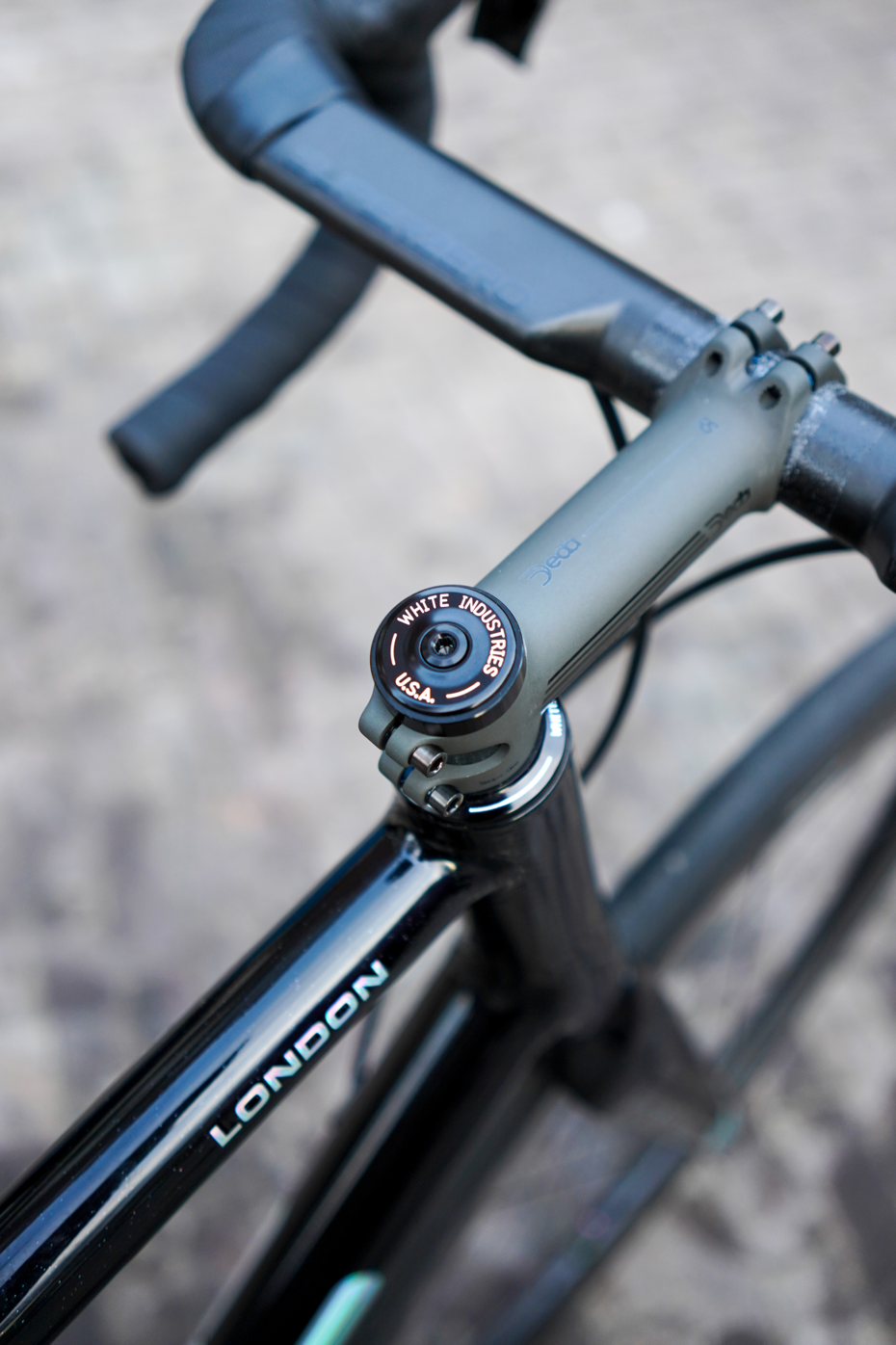
It’s stiff. The tube diameters give it structure, and it responds well when I get out of the saddle. At the same time, it doesn’t rely on constant pressure to feel right.
Comparing it to my J.Guillem Major helps clarify this. The Major is a great bike, but it only becomes truly comfortable when you’re pushing watts. A harder effort lifts the upper body and takes weight off the hands. Maintaining that effort over long distances, though, isn’t sustainable.
This new bike doesn’t ask for anything. It allows.
It allows distance, in time and in space, without demanding that I always ride at the limit. It’s not a slower bike. It’s a bike that doesn’t impose a pace.
Maybe that’s what I was looking for all along. Not the “perfect” bike, but a project where deciding and living with the result are part of the same gesture.
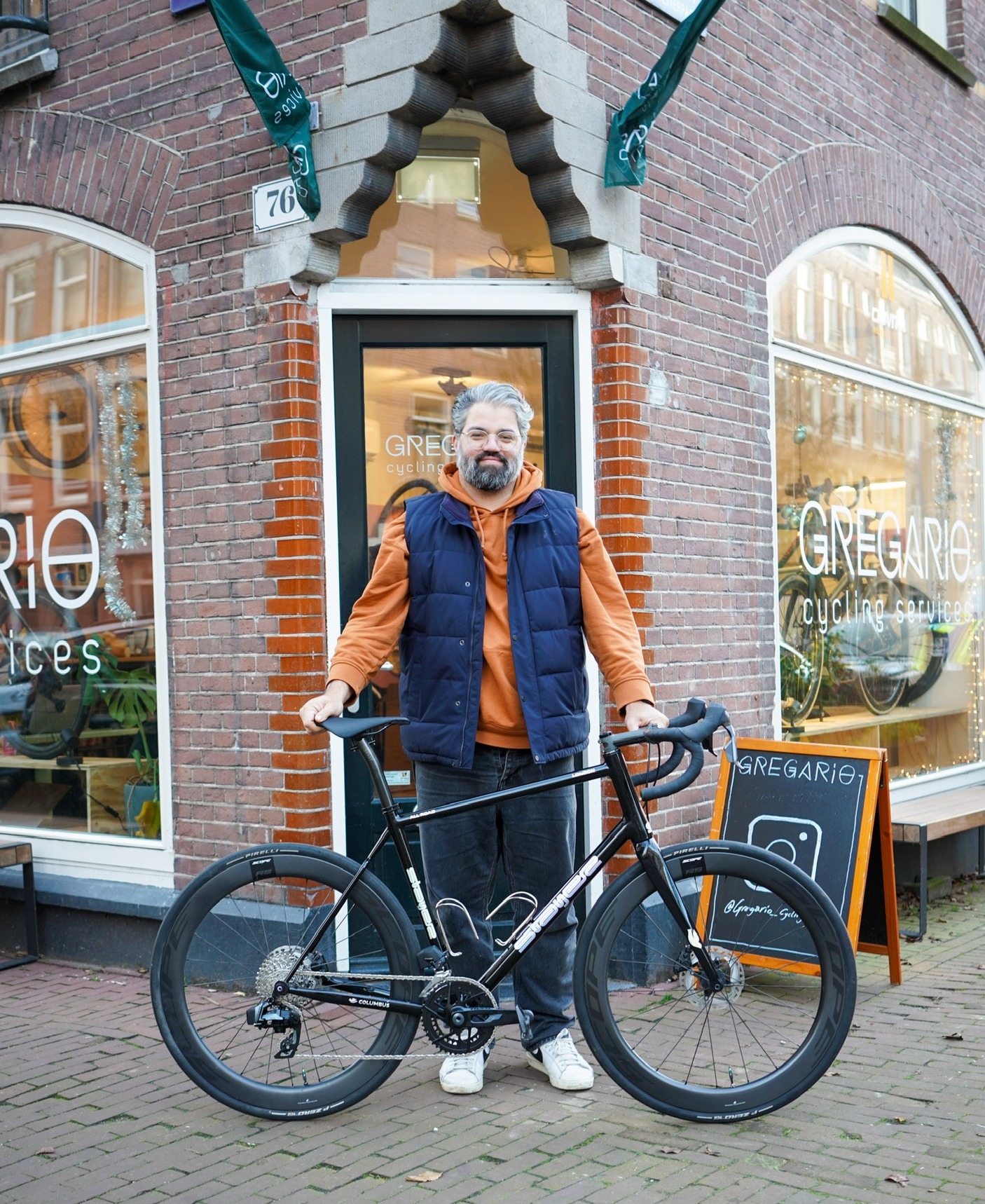
Oh, I should probably mention: this started as a 40th birthday gift to
myself.
Things escalated.
Thanks to Sam at Stayer Cycles, Jasien at Gregario Cycling Services, and Joris at BECA Bikespray for the generosity, craft, and shared knowledge that made this project possible.