Vale TruckFlow
Getting a truck through a port with no signal.
Every day, hundreds of trucks move through Vale’s port in Tubarão, Vitória — some bringing cargo in, some taking it out, all weighed twice at whichever of three scales is free. None of the drivers work for Vale, and most scales barely held a 3G signal.
Three days on site with Filipe Baeta, Luísa Nogueira and Ubirajara Junior: interviews, sketches, and a scale operator who hadn’t seen half of what was going on inside his own port.
The port
The port is enormous, and its size is the whole problem. Operators aren’t just weighing trucks — they’re tracking where every one of them is, inside a site too big to see across, with no system to help.

Day 1
Talking to everyone
We opened with stakeholders: everyone with a stake in the process, one room, a whiteboard, no shortage of post-its. Luísa ran the conversation; I wrote down whatever stuck.
Then we went to the first scale, to watch an operator’s day instead of hearing about it. The finding had nothing to do with a screen: some scales sat too far from any tower to get a 3G signal at all.


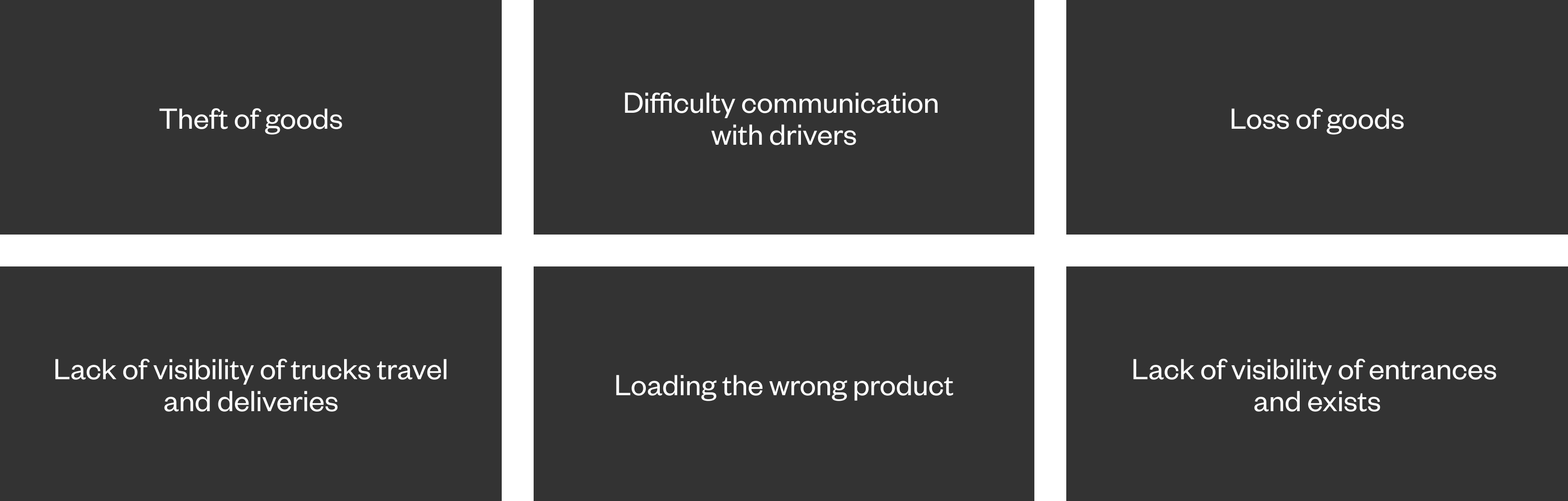
Their system gave no eagle’s-eye view of any of it: where trucks were, who was waiting, what they were carrying. Talking to a driver usually meant leaving the desk to do it in person.


Day 2
Truck drivers
Day two, we talked to the drivers themselves, morning and late into the night, when the ones who’d travelled far were still waiting their turn. Two groups fell out of it: people who’d come hundreds of kilometres, some for the first time, and locals who made the run more than twice a day.


The proposal
The workshop’s usual answer is an app. Here it would have been the wrong one, for two reasons.
- Most of the scales had close to no 3G. Some had none at all.
- These drivers didn’t work for Vale. Asking them to download something before they could get paid puts the cost on the wrong side of the relationship.
So the answer was SMS: registering a truck opened a digital line, a queue run by text message, one instruction at a time, answered “OK” to advance or “Help” to flag a problem. The operator got a kanban board — the whole line, visible without leaving the desk. Sketched day two, mocked up by day three.

Day 3
Tests
We tested the SMS flow by hand first, sending the messages ourselves, following the flowchart, watching whether a driver understood each one without help.
The dashboard
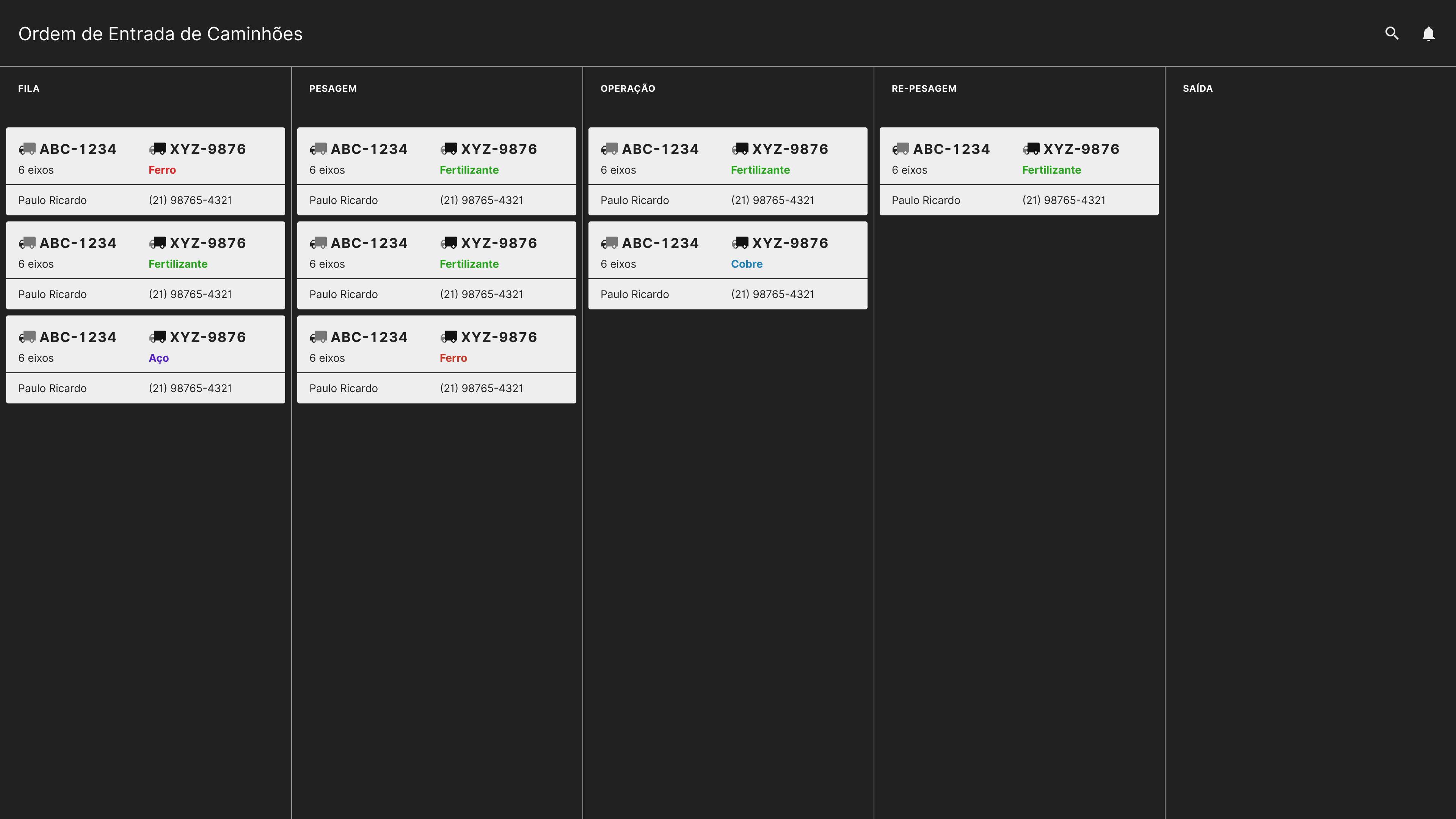
It ran on a desktop and mirrored onto a TV, so the whole workstation could see it, not just whoever sat at the keyboard. Every stage had its own column, so nobody scrolled sideways, and a colour flag showed what a truck carried at a glance.
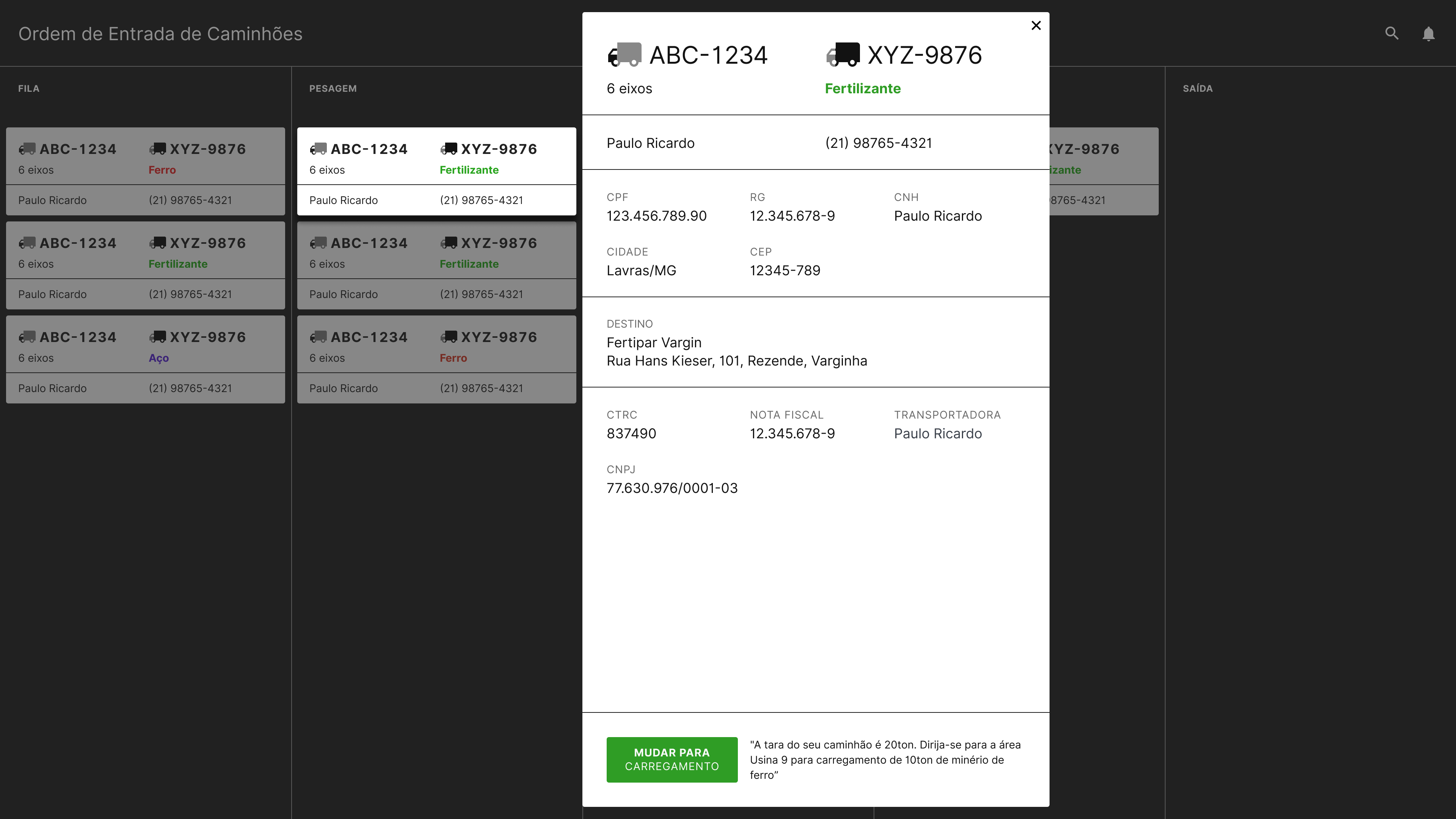
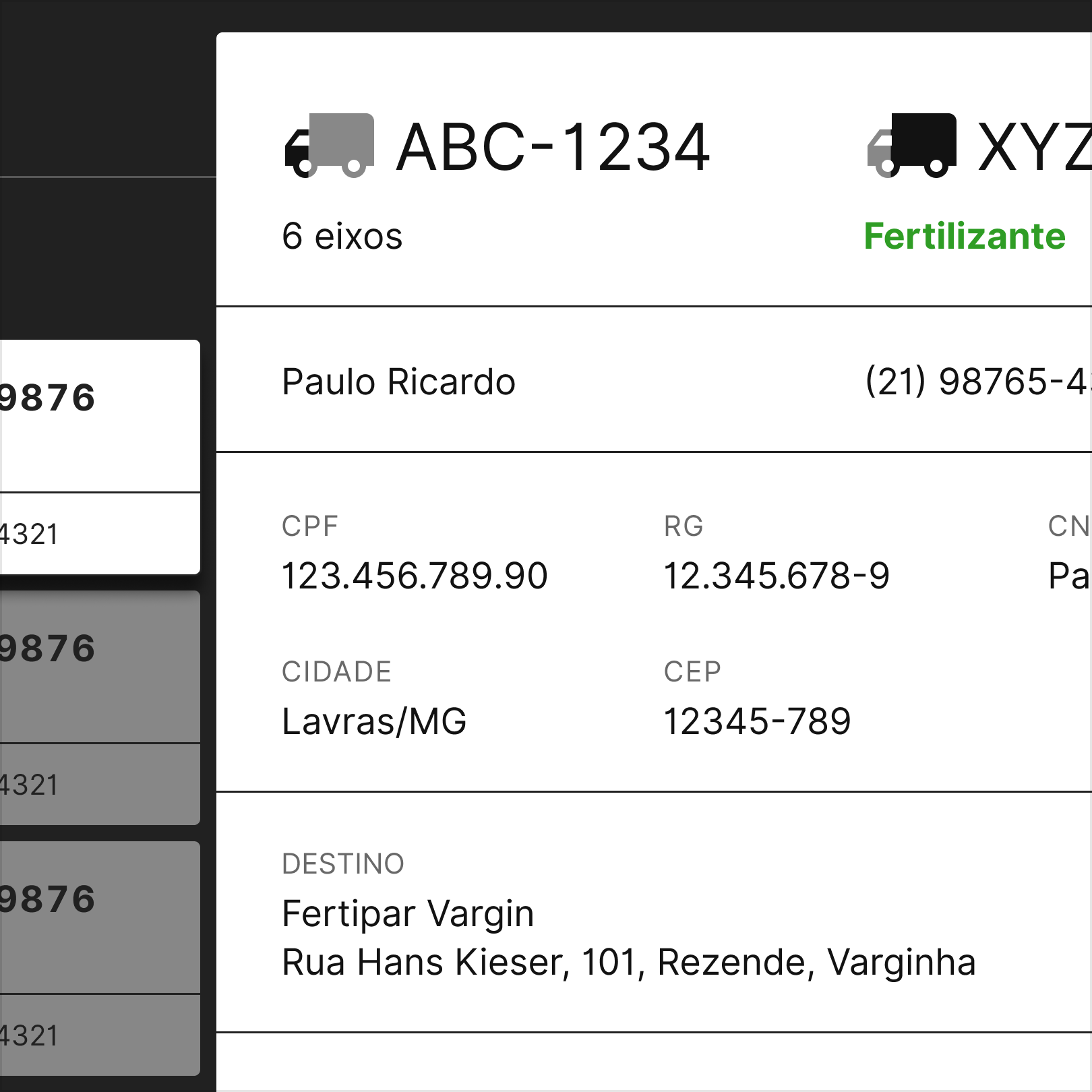
Click a truck’s card and you got its whole file: driver, destination, paperwork, and a button to move it on without leaving your seat.
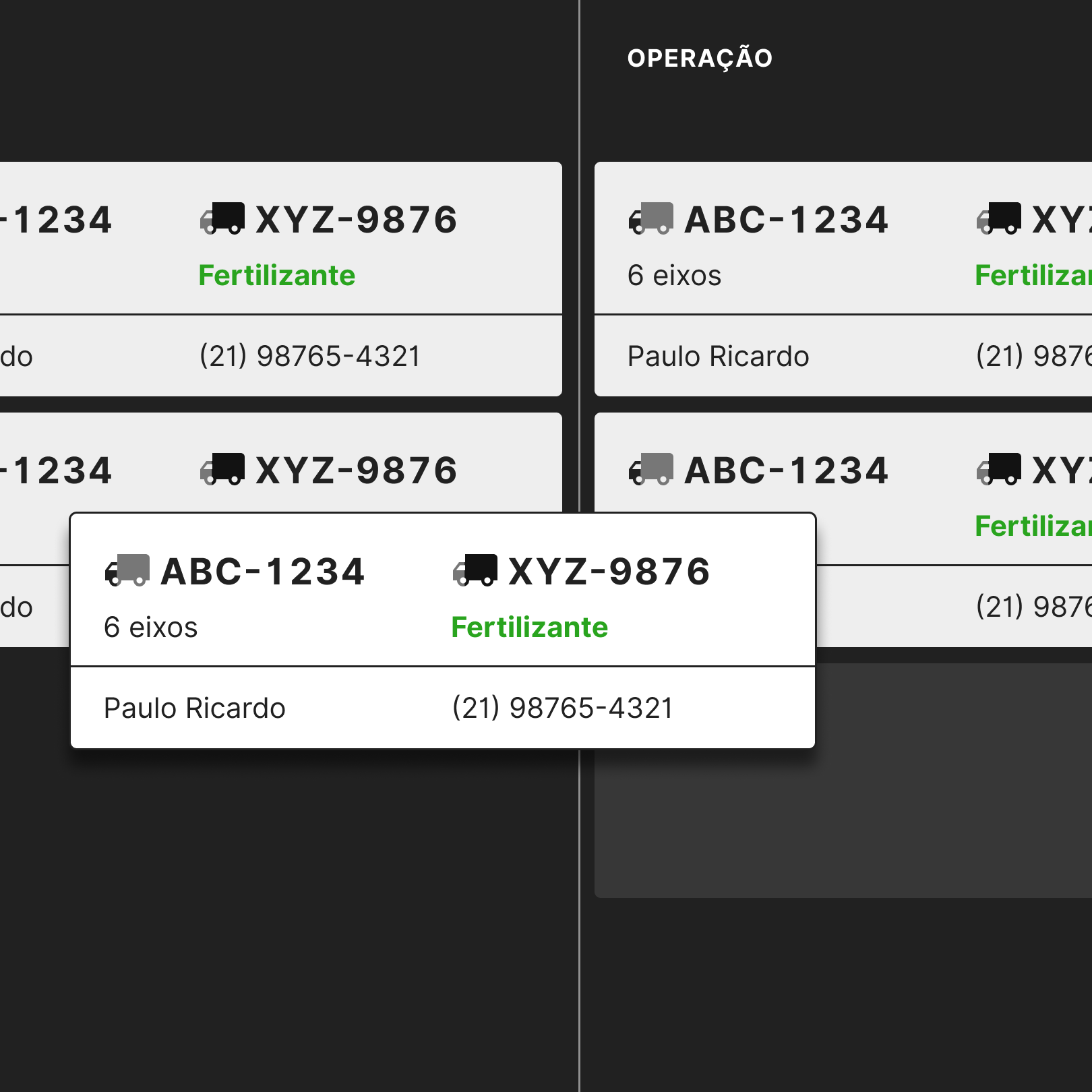
We showed it to the operators and stakeholders that same afternoon. They were pleased with it.
Takeaways
The answer is out there
Working this from an office, we’d never have found the real problem: a scale with no signal at all isn’t something you learn secondhand. Being where the trucks were was the only way to catch it.
Design without a screen
What we shipped to drivers wasn’t a UI, it was a script: the exact words someone would read on whatever phone, with whatever signal, that scale got. Getting those words right mattered more than any pixel, and there were no pixels to hide behind if they were wrong.